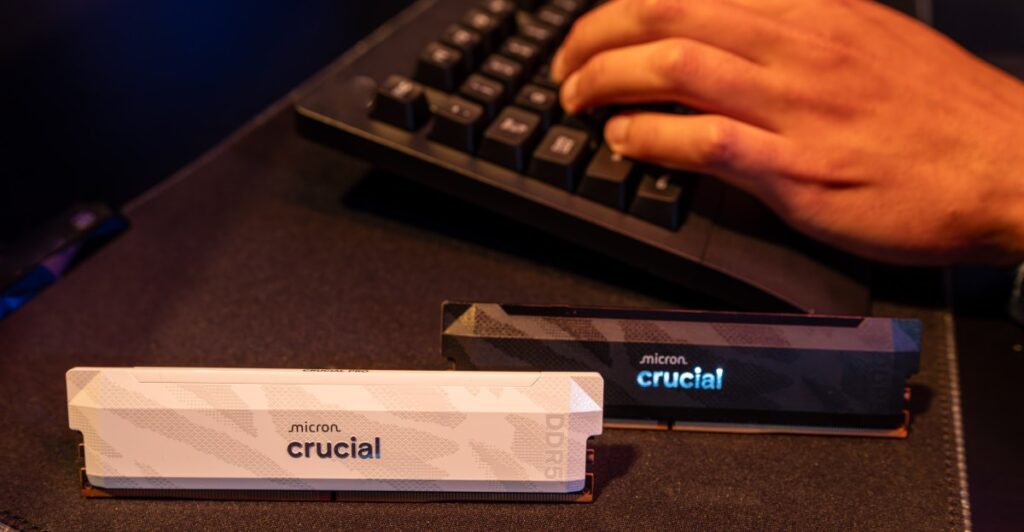
Micron Technology has announced the retirement of its Crucial brand, an end to its line of budget-friendly solid-state drives (SSDs) and RAM kits. This decision, communicated on Wednesday, is part of a strategic shift aimed at reallocating resources to serve larger customers in the rapidly growing artificial intelligence (AI) sector.
The closure of the Crucial brand is a significant development for PC builders and technology enthusiasts who have relied on these affordable memory products. The announcement comes at a time when demand for RAM and SSDs is surging, driven largely by AI companies that require substantial memory resources for their operations. For instance, OpenAI has reportedly partnered with SK Hynix and Samsung to produce up to 900,000 DRAM units monthly for its Stargate project, underscoring the intense competition for memory products.
Impact on Consumer Market and Pricing
The discontinuation of the Crucial brand is poised to further strain the already tight consumer memory market. Buyers are currently grappling with soaring prices, a trend linked to the heightened demand from AI enterprises. Companies like CyberPowerPC, Framework, and Raspberry Pi are experiencing increased pricing pressures, and HP has hinted at potential price hikes or reduced memory specifications in its upcoming devices.
Micron’s shift underscores a broader trend in the technology industry, with manufacturers increasingly prioritizing their efforts on sectors that promise higher revenue growth. By winding down its consumer-focused operations, Micron aims to enhance supply chains and support mechanisms for its strategic partners.
Future of Crucial Products
Despite the brand’s retirement, Micron has committed to fulfilling existing orders of Crucial products through the end of February 2026. The company also assured customers of continued warranty services and support for existing products, providing some reassurance amid the transition.
As the landscape of the memory market evolves, the implications of Micron’s decision may resonate beyond immediate pricing effects. The reduction of available consumer-focused memory options could exacerbate the existing global memory shortage, further complicating the purchasing environment for individual consumers and smaller-scale builders.
With the focus shifting towards AI-related applications, the future of memory products will likely be shaped by the demands of a rapidly advancing technological frontier. The full impact of Micron’s strategic realignment will unfold in the coming months, as both consumers and businesses navigate a changing market landscape.