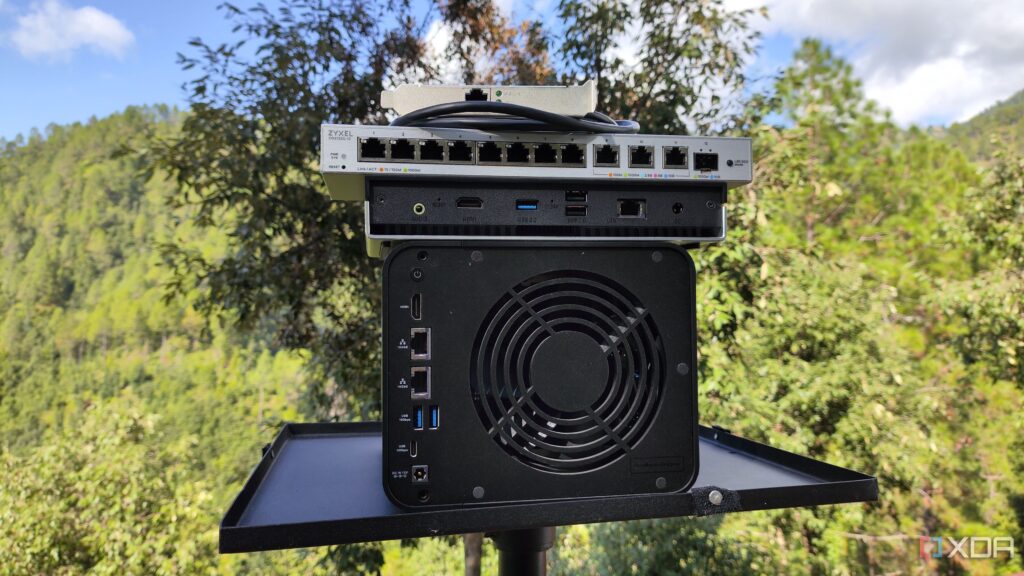
UPDATE: Tech enthusiasts are rapidly adopting real-time alert systems for their Network-Attached Storage (NAS) devices, ensuring critical data remains safe and accessible. With the rise in home lab setups, the need for robust monitoring systems has never been more urgent.
These new workflows utilize self-hosted applications like Gotify and Uptime Kuma to send immediate notifications when issues arise, significantly reducing downtime. Experts emphasize that proactive monitoring can prevent data loss, a concern that resonates deeply with anyone managing important files.
In a recent setup, a user leveraged their Raspberry Pi to deploy Gotify as a notification management server. This enables real-time alerts from their TrueNAS storage system, a popular choice for NAS operations. Although TrueNAS doesn’t natively support Gotify, community-driven solutions like the TrueNAS Gotify Adapter from developer ZTube bridge this gap. By integrating Gotify into their alert system, users can receive crucial notifications about pool degradation and S.M.A.R.T. test failures.
However, if the TrueNAS system fails, it becomes unable to send alerts. To counter this risk, users are integrating Uptime Kuma, which checks server status every minute. Upon detecting a failure, it promptly notifies the Gotify instance, ensuring users remain aware of any issues.
For those less inclined to self-host, options like Slack and Telegram provide reliable alternatives. TrueNAS simplifies the process, allowing users to set up email alerts through Gmail OAuth or configure Telegram notifications directly in the alert settings.
Moreover, integration with Home Assistant enhances monitoring capabilities. Users can visualize their NAS performance metrics and receive alerts on temperature spikes or operational failures, providing an added layer of security.
As the demand for data safety grows, these monitoring solutions are becoming essential in home lab environments. With the right setup, users can ensure their critical data is protected and accessible, no matter what challenges arise.
Stay tuned for more updates on this rapidly developing trend, as home lab enthusiasts continue to innovate and share their solutions for maintaining data integrity.