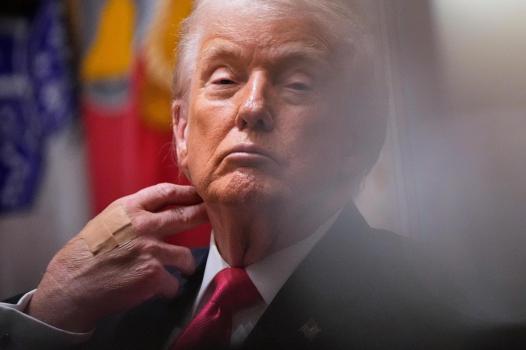
Former President Donald Trump has faced backlash for his recent remarks advocating for a ban on legal immigration from what he described as “all Third World countries.” Critics argue that his comments unfairly generalize and stigmatize individuals based on the actions of a single person, who appears to have mental health issues. This call for action has raised ethical concerns regarding the treatment of immigrants and the rhetoric used by political leaders.
Public Response to Trump’s Comments
In a letter to the editor, Gisela Meier from Orange, California, expressed her dismay over Trump’s statement. She condemned the idea of blaming entire nations for the behavior of one individual, suggesting that such reasoning could lead to the deportation of all socially isolated young men and disgruntled middle-aged men, a demographic which has also been associated with violent incidents in the past. Meier stated, “What a sad, bland, hollowed-out country this would be if Trump succeeded in getting rid of all the people he considers undesirable.”
Meier’s remarks reflect a broader concern among critics about the implications of Trump’s immigration policies. The language used by the former president and his administration has been described as divisive and intolerant, prompting discussions about the values that define American society.
The Broader Implications of Immigration Rhetoric
The implications of Trump’s rhetoric extend beyond mere immigration policy. Critics assert that such statements contribute to a culture of fear and hostility toward marginalized groups. The focus on “Third World countries” suggests a narrative that frames immigrants as threats rather than contributors to society.
Meier’s letter highlights a growing unease among citizens who are concerned about the direction of national discourse. She concluded her message by stating that the hatred and intolerance expressed by Trump horrifies her, stating it makes her feel ashamed of her country.
In addition to Meier’s response, various commentators and political analysts have weighed in on the potential consequences of Trump’s stance. The rhetoric surrounding immigration remains a contentious issue as the United States continues to grapple with its identity and values in an increasingly diverse society.
As discussions about immigration policy evolve, the focus will likely remain on the need for a balanced approach that recognizes the contributions of immigrants while addressing national security concerns. The debate surrounding Trump’s remarks is indicative of a larger conversation about inclusivity, tolerance, and the ethical treatment of individuals from diverse backgrounds.