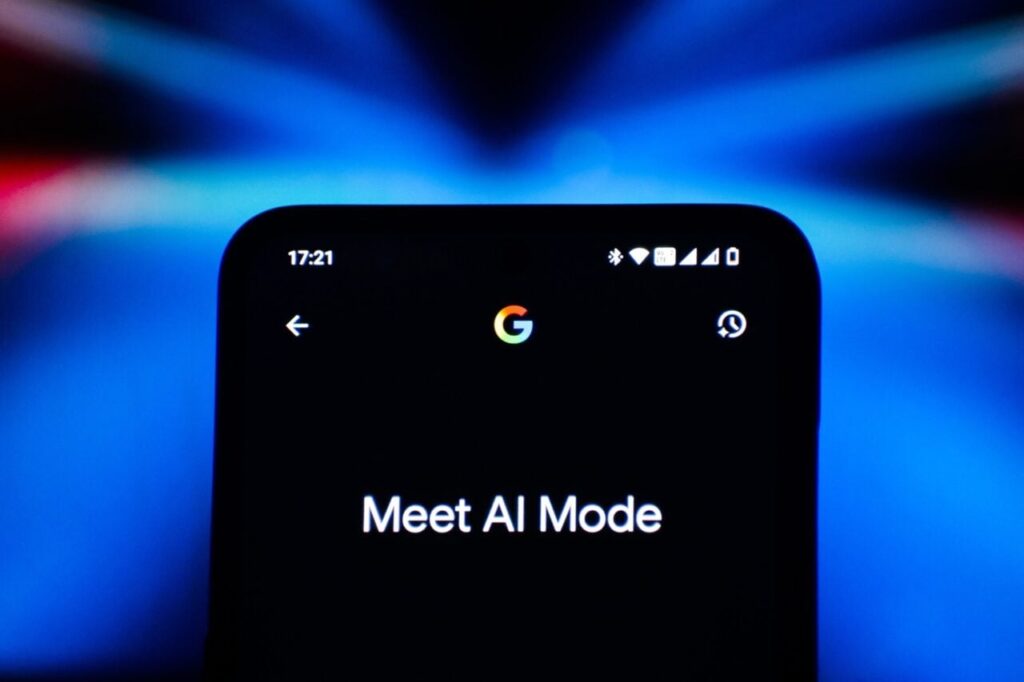
UPDATE: Google has just announced a groundbreaking strategy aimed at revolutionizing the way users interact with the internet through hyper-personalized AI. Speaking on the Limitless podcast last week, Google’s VP of Product for Search, Robby Stein, revealed that the tech giant is shifting focus from general information to tailored advice and recommendations that cater directly to individual preferences.
Stein emphasized that users increasingly seek personalized assistance, stating, “They want to know where to eat for dinner, they want to know where to travel with their family.” This shift represents a significant opportunity for Google to enhance its AI capabilities, leveraging connected services like Gmail to build a detailed understanding of user preferences over time.
The implications of this strategy are profound. Google’s AI models will soon be able to provide recommendations based on a user’s unique likes and dislikes, potentially reshaping the digital landscape. For instance, if a user expresses interest in purchasing a couch, the AI could track this information and notify them when a desirable option goes on sale, potentially via a push alert.
Earlier this year, a pivotal ruling in an antitrust trial favored Google, marking a turning point in the competitive landscape of search engines. The judge noted that AI could now present a “meaningful challenge” to Google’s dominance, prompting the tech giant to escalate its AI initiatives. Notably, the recently launched Gemini model has already been integrated into Google’s ecosystem, including Google Workspace apps like Gmail, Calendar, and Drive, enhancing their functionality with personalized features.
The urgency of this development cannot be overstated. As competition intensifies with rivals like Meta entering the AI space, Google is rapidly testing AI-enhanced targeted advertising within its platforms. Stein disclosed that experiments have already commenced integrating ads into AI experiences, reflecting a strategic shift in Google’s business model.
However, this hyper-personalization raises critical concerns. With AI systems gaining deeper insights into user behaviors, the risk of data breaches escalates. Sam Altman, CEO of OpenAI, highlighted these dangers during a recent discussion at Stanford University. He warned that while users appreciate personalized interactions, they must also consider the security implications of connecting AI models to sensitive personal information.
In a world where AI systems will become increasingly intertwined with daily life, understanding these risks is paramount. Altman cautioned against trusting AI with deeply personal data, stating, “If you’re telling a model all about your private healthcare issues, and then you have it buying something for you, you don’t want that e-commerce site to know about all of your health issues.”
As Google forges ahead with this ambitious vision, users must weigh the benefits of personalized AI against the potential security challenges. The company’s future strategies could significantly alter how we engage with the internet, making it essential for consumers to stay informed about the evolving landscape of AI technology.
Stay tuned for more updates as Google continues to innovate and reshape the digital experience.