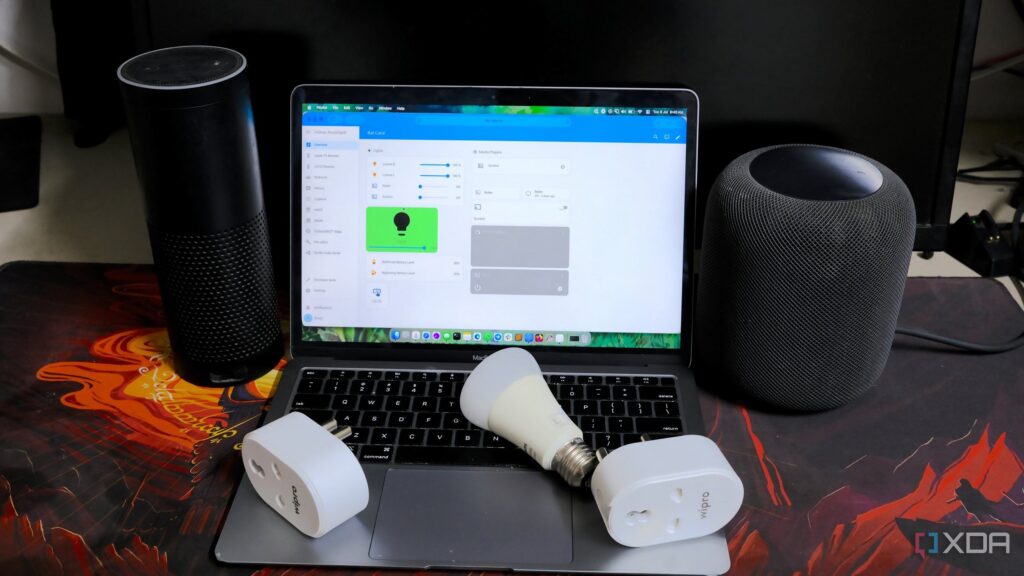
UPDATE: A growing number of smart home enthusiasts are abandoning all-in-one IoT hubs in favor of custom solutions built with Home Assistant. This shift is fueled by a desire for greater control, privacy, and flexibility, as users discover that convenience often comes with hidden costs.
Developing reports indicate that the convenience of all-in-one hubs, such as those from Aqara and Homey Pro, is often overshadowed by limitations in device compatibility and cloud dependency. As users seek to enhance their home automation, many are turning to DIY solutions that promise more extensive control and customization options.
The realization that these hubs may not support all desired protocols has driven individuals to explore alternatives. Home Assistant, a popular open-source platform, has emerged as a preferred choice, allowing users to integrate a wide variety of devices without vendor restrictions. With over 3,300 integrations available, Home Assistant caters to the needs of those looking to maximize their smart home capabilities.
Earlier today, tech enthusiasts highlighted their transition to Home Assistant as a significant upgrade. Many initially set up their systems using a Raspberry Pi but later advanced to deploying Home Assistant OS on dedicated hardware for improved performance. This transition allows users to retain full control over their data, eliminating reliance on external cloud services.
The appeal of Home Assistant lies in its local control capabilities. Users report that their devices remain operational even without an internet connection, a feature that is especially critical during outages. By utilizing tools like ESPHome, DIY enthusiasts can create custom smart devices that maintain data privacy and operational autonomy.
Furthermore, the granular control offered by Home Assistant empowers users to monitor and automate their devices at a level not achievable with all-in-one hubs. As one user noted, they can program sensors to trigger actions based on specific usage patterns, enhancing the overall efficiency of their smart home.
The community surrounding Home Assistant plays a vital role in its adoption, providing extensive support and resources for new users. The availability of community-driven add-ons and integrations ensures that users can continually expand their smart home systems to accommodate new technologies and devices.
As this trend gains momentum, experts predict that the demand for customizable smart home solutions will only increase. Those who have made the switch report significant long-term savings and a sense of ownership over their home automation systems.
What’s Next: As more users explore the possibilities of DIY smart homes, we can expect ongoing developments in community support and integration capabilities. The future of home automation is trending towards personalization and local control, challenging the dominance of all-in-one solutions.
For anyone considering a smart home upgrade, the shift towards Home Assistant represents a compelling opportunity to regain control over their devices and data. The movement is not just about technology; it’s about empowering users to create environments that truly reflect their needs and preferences.