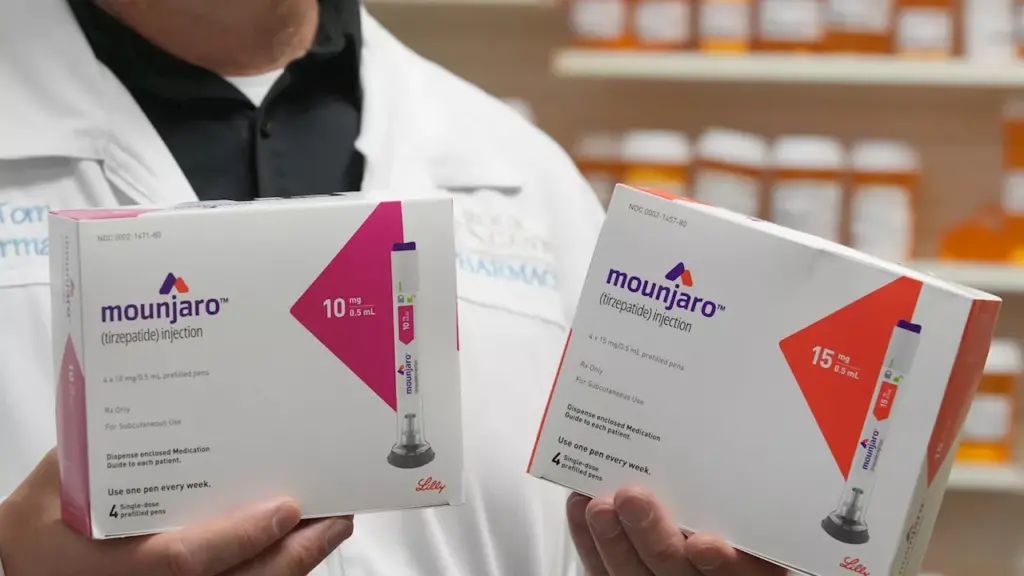
The World Health Organization (WHO) has released its first-ever guidelines for the use of GLP-1 medications in the treatment of obesity, recommending their long-term use for adults when clinically appropriate. The guidance, published in the medical journal *JAMA* on March 4, 2024, addresses a global crisis affecting more than 1 billion people currently living with obesity, a number projected to reach 2 billion by 2030.
The medications included in the recommendations are semaglutide, liraglutide, and tirzepatide. While the WHO acknowledges the effectiveness of these drugs, it stresses that they are not a standalone solution for obesity. Instead, the guidelines advocate for a comprehensive treatment approach that combines medication with a structured program involving healthy eating, regular physical activity, and ongoing counseling.
Significance of the Guidelines
Dr. Louis Arrone, director of the Comprehensive Weight Control Center at Weill Cornell Medicine, commented on the significance of these guidelines, stating, “It signals that treating obesity early—as a chronic disease that deserves lifelong care—is finally moving into the mainstream of health care.” This shift in perspective marks an important advancement in how obesity is approached within the healthcare system.
The guidelines also highlight challenges that may hinder access to these medications. The WHO points out issues such as high costs, limited availability, and uneven access across different regions. To address these barriers, the organization urges member countries to establish fair and affordable systems, prioritizing treatment for those with the greatest medical needs.
Understanding the Role of GLP-1 Medications
GLP-1 medications work by reducing appetite and altering how the body responds to food, making it easier for individuals to adhere to dietary recommendations. Dr. Arrone noted that many patients report feeling full sooner and less compelled to consume unhealthy foods, which aids in maintaining healthier eating patterns.
Nevertheless, he emphasized the importance of incorporating resistance training during weight loss efforts to preserve muscle mass, as rapid weight loss can often lead to muscle loss. “Medicines work best when they go hand in hand with changes in eating habits and daily behaviors,” Arrone explained. “When hunger is reduced, people finally feel able to follow the healthy steps they were told to take for years.”
The WHO’s guidelines also call for a “reboot” in how obesity care is approached globally, advocating for improvements in prevention, treatment, and the overall capacity of health systems to manage this escalating public health crisis.
Dr. Arrone remarked, “This signals a shift in thinking unlike anything we’ve seen in a generation—a move toward treating obesity first, rather than waiting for people to develop the many complications that follow.” As the medical community absorbs these new guidelines, the hope is that they will lead to improved outcomes for millions affected by obesity worldwide.