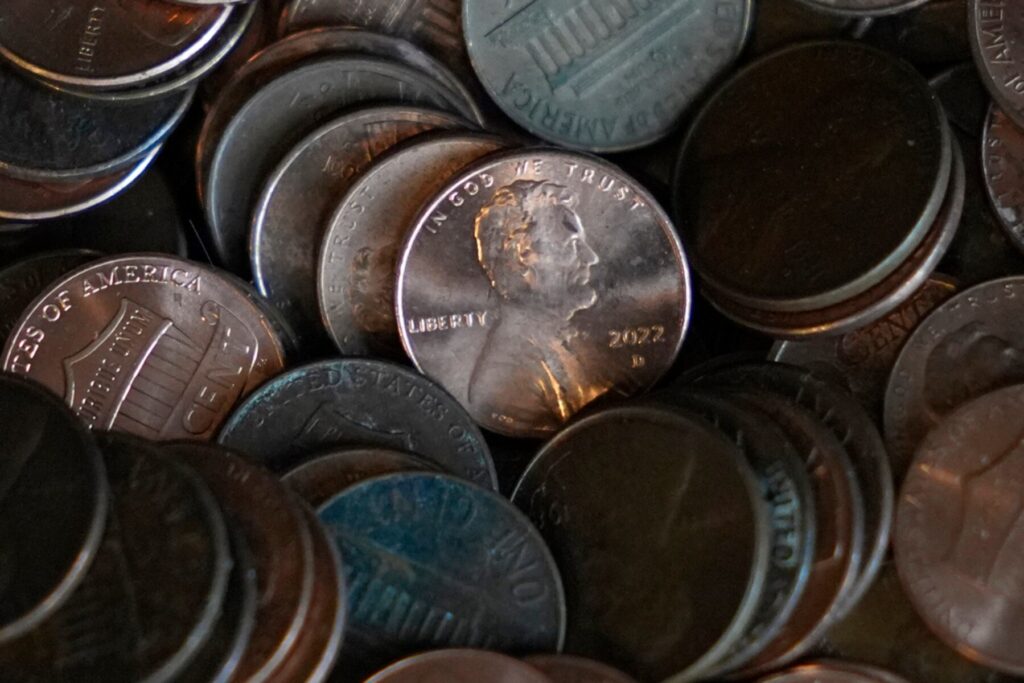
The United States is witnessing significant changes in retail practices as the U.S. Mint ceased the production of new 1-cent coins on November 12, 2025. According to the U.S. Treasury, approximately 114 billion pennies are still in circulation, although many remain tucked away in piggy banks and drawers. Retailers are already feeling the impact, with reports of shortages leading to the implementation of new pricing strategies that round cash transactions to the nearest nickel.
Rounding practices are only applicable to cash payments at checkout. Customers who pay electronically can still make transactions that do not end in 0 or 5. Last year, cash accounted for 14% of all payment methods, predominantly used by older Americans and low-income individuals. The shift to rounding could potentially cost these consumers around $6 million annually.
Retailers Face New Pricing Challenges
With no definitive federal or state regulations governing how businesses should manage rounding, retailers are left to navigate their own policies. Some may choose to round all totals up, while others might round down or split the difference based on the final digit of the price. This lack of standardization raises questions about consumer fairness and transparency in pricing.
Anna Staver from cleveland.com highlights that the absence of federal guidelines has placed the onus on businesses to determine their approach to rounding. As retailers adapt, it remains to be seen how these changes will affect consumer behavior and overall sales.
Broader Implications for Consumers
As the penny becomes increasingly obsolete, the ramifications extend beyond mere inconvenience. Economic analysts suggest that lower-income groups, who rely heavily on cash transactions, may feel the pinch more acutely. The ongoing shift could further complicate financial interactions for those already facing economic challenges.
In a parallel development, American Signature Inc., the parent company of Value City Furniture, has announced the closure of its Columbus headquarters, resulting in the loss of 326 jobs. This move underscores the broader economic pressures that many businesses are experiencing, which could lead to rising prices across various sectors as companies adjust to changes in consumer payment behavior.
In other news impacting the region, surveys conducted in 2014 and 2024 revealed a worrying increase in plastic pollution in Lake Erie, with a marked rise in microplastics. This environmental issue is garnering attention as local officials seek solutions to protect water quality.
As the holiday season approaches, Cleveland’s Public Square kicked off its festivities with an event dubbed WinterLand 2025, featuring live music and a spectacular light show. Community engagement remains strong, with events like these fostering a sense of unity during the winter months.
For those navigating the challenges of modern travel, Susan Glaser offers practical advice on handling flight diversions, sharing insights from her own experiences during a lengthy delay.
As the landscape of currency and consumer practices evolves, the necessary adjustments will likely continue to affect both businesses and consumers in the coming months. The future of cash transactions and their implications for spending habits remain a topic of significant interest as society adapts to these changes.