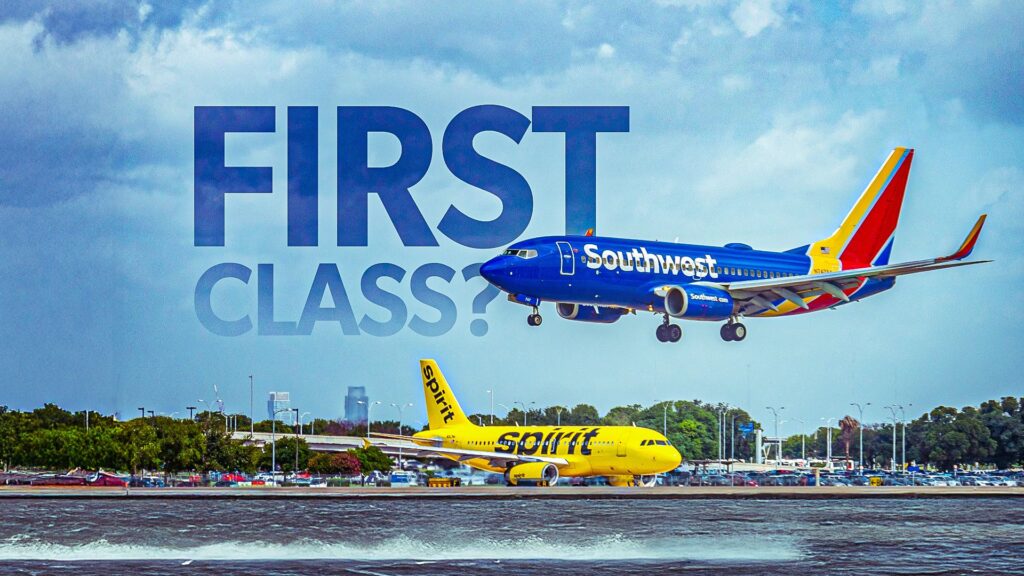
Southwest Airlines is on the verge of significant transformation as it contemplates the introduction of first-class service and the launch of transatlantic flights. This shift comes in response to declining profitability and pressure from activist investor Elliott Investment Management, which has been advocating for changes to boost the airline’s financial performance. Once a pioneer of low-cost travel with an all-economy fleet, Southwest is adapting its business model to align more closely with industry competitors.
Historically, Southwest has operated solely within the United States with a fleet comprised exclusively of Boeing 737 aircraft. The airline’s focus on point-to-point flights and low fares has contributed to its reputation and success over nearly five decades. However, with increasing competition from major carriers like Delta Air Lines, American Airlines, and United Airlines, Southwest is reevaluating its strategies to regain profitability.
Shifting Strategies in a Competitive Landscape
Recent moves by Southwest indicate a strategic pivot. The airline plans to introduce premium lounges and is actively exploring transatlantic destinations, signaling a commitment to enhancing customer experience. The introduction of extra-legroom seating is part of this broader initiative, aimed at providing more options to travelers who increasingly prefer premium offerings.
In the current U.S. airline market, many legacy carriers have successfully integrated first-class cabins into their narrowbody aircraft, offering larger seating and premium services. For instance, Alaska Airlines, Delta Air Lines, and American Airlines all provide first-class accommodations on their domestic flights, which has proven profitable. This trend highlights the potential revenue that Southwest may be missing out on by maintaining an all-economy configuration.
Southwest’s unique advantages, such as its open seating policy and two free checked bags, have differentiated it in the past. However, with competitors adapting rapidly to market demands, the airline faces pressure to enhance its product offerings. As Elliott Investment Management pushes for change, the introduction of first-class seating could become a reality.
Financial Implications and Future Outlook
The financial landscape for airlines has shifted dramatically since the pandemic. While major carriers like Delta and United have bounced back with strong profits, Southwest’s recent performance has raised concerns. The airline’s focus on generating ancillary revenue through various means, such as new credit card partnerships and loyalty program enhancements, reflects its commitment to adapting to contemporary market expectations.
According to industry reports, premium cabins have become essential for profitability, as they command higher fare prices without significantly increasing operational costs. For instance, Delta Air Lines has seen substantial success, with nearly 90% of its first-class seats sold, indicating strong demand for premium travel options. If Southwest introduces first-class seating, it could attract more customers to its loyalty program, Rapid Rewards, ultimately improving its financial standing.
As Southwest Airlines navigates this transition, it will need to balance the introduction of new offerings with the preservation of its brand identity. The airline has historically been recognized for its unique approach to air travel, which has garnered a loyal customer base. However, as it aligns itself more with traditional carriers, questions arise regarding the sustainability of its new strategies and their impact on its long-term reputation.
In summary, Southwest Airlines is at a crossroads, with potential changes that could redefine its market position. The airline’s leadership, alongside Elliott Investment Management, is poised to initiate a new chapter by exploring first-class service and expanding its route offerings. The success of these changes will depend on the airline’s ability to maintain its core values while adapting to a rapidly evolving industry landscape.